Choosing the correct mulcher teeth has a major impact on productivity, finish quality, maintenance costs, and machine longevity. The “right” teeth depend on your mulcher type, ground conditions, vegetation, and operator experience.
This article breaks down drum mulchers and disc mulchers into two dedicated sections, providing clear, application-specific guidance to help you confidently select the optimal tooth option for your operating conditions.
1. Choosing the Right Teeth for Drum Mulchers
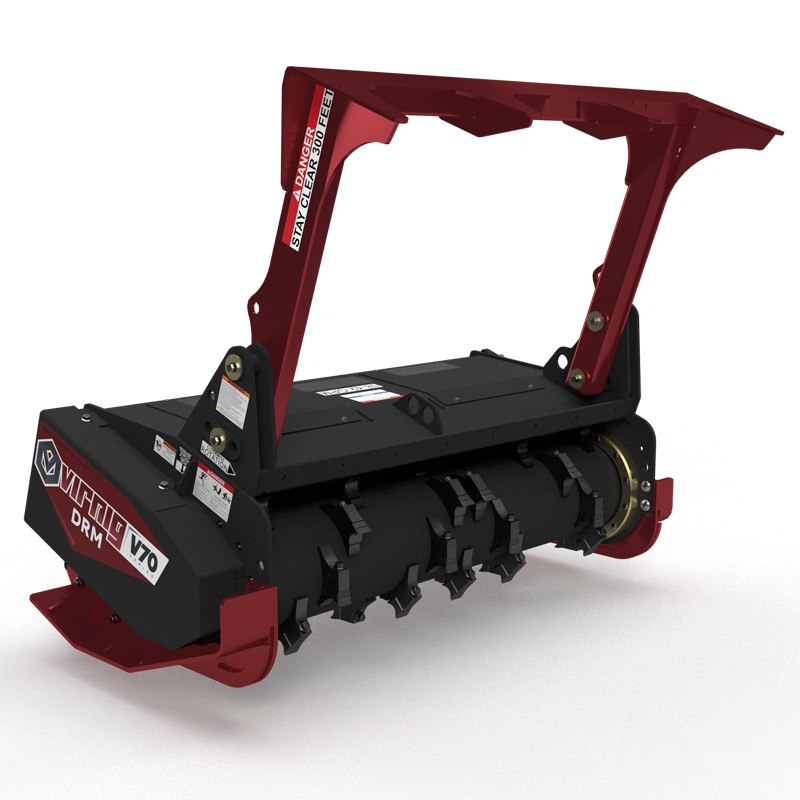
Drum mulchers offer exceptional versatility, with a range of tooth styles that can be configured to suit soil conditions, material size, and desired finish. Tooth choice is just as important as drum style when dialing in performance.
Steel Planer Teeth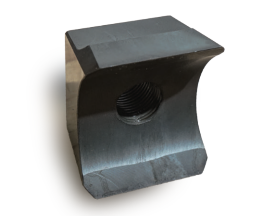
Best for: Soft soil, above-ground mulching, superior finish
- Razor-sharp cutting edges slice cleanly through wood
- Produce a fine, manicured mulch
- Reversible with two cutting edges
- Require frequent sharpening to maintain productivity
- Lower horsepower draw
Choose steel planer teeth if:
You primarily work above ground in soft soil and want the best possible finish with maximum cutting efficiency.
Carbide Planer Teeth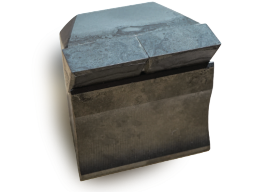
Best for: Rocky or sandy terrain with limited ground contact
- Sharp cutting angle combined with carbide durability
- No sharpening required
- High abrasion resistance
- Balanced productivity and finish
Choose carbide planer teeth if:
You encounter rocks or sand but still want controlled cutting and good mulch quality with minimal maintenance.
Carbide Hammer Teeth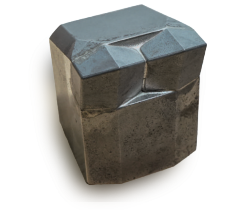
Best for: Heavy ground engagement, stump grinding, abrasive conditions
- Most durable drum mulcher tooth option
- Designed to withstand constant soil and rock contact
- Produces rougher, stringier mulch
- Minimal ground suction
- No sharpening required
Choose carbide hammer teeth if:
You frequently grind stumps below grade, mix mulch into the soil, or work in extremely rocky environments.
Mixing & Matching Teeth on a Drum

Drum mulchers allow flexibility in tooth configuration:
- Teeth must always be installed in pairs directly across from each other
- Steel and carbide teeth can be mixed to balance finish and durability
- Carbide is often placed in high-impact zones, with steel used elsewhere
This approach can extend tooth life while maintaining strong cutting performance.
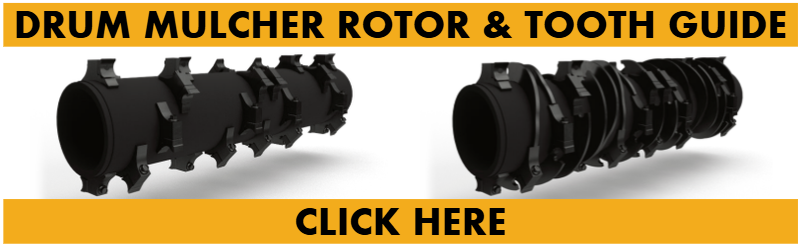
Drum Mulcher Tooth Guide:
2. Choosing the Right Teeth for Disc Mulchers
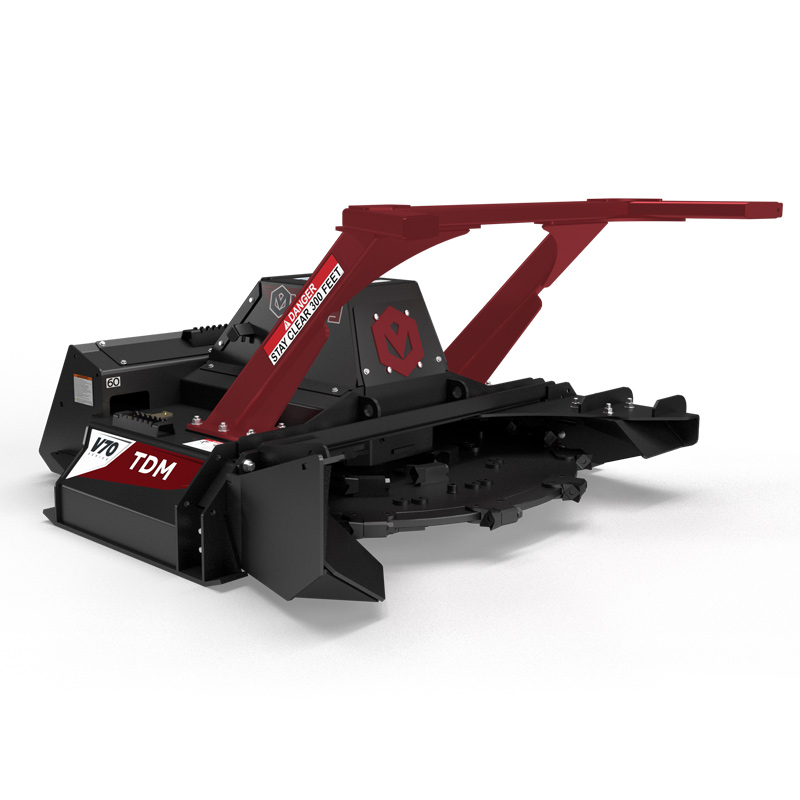
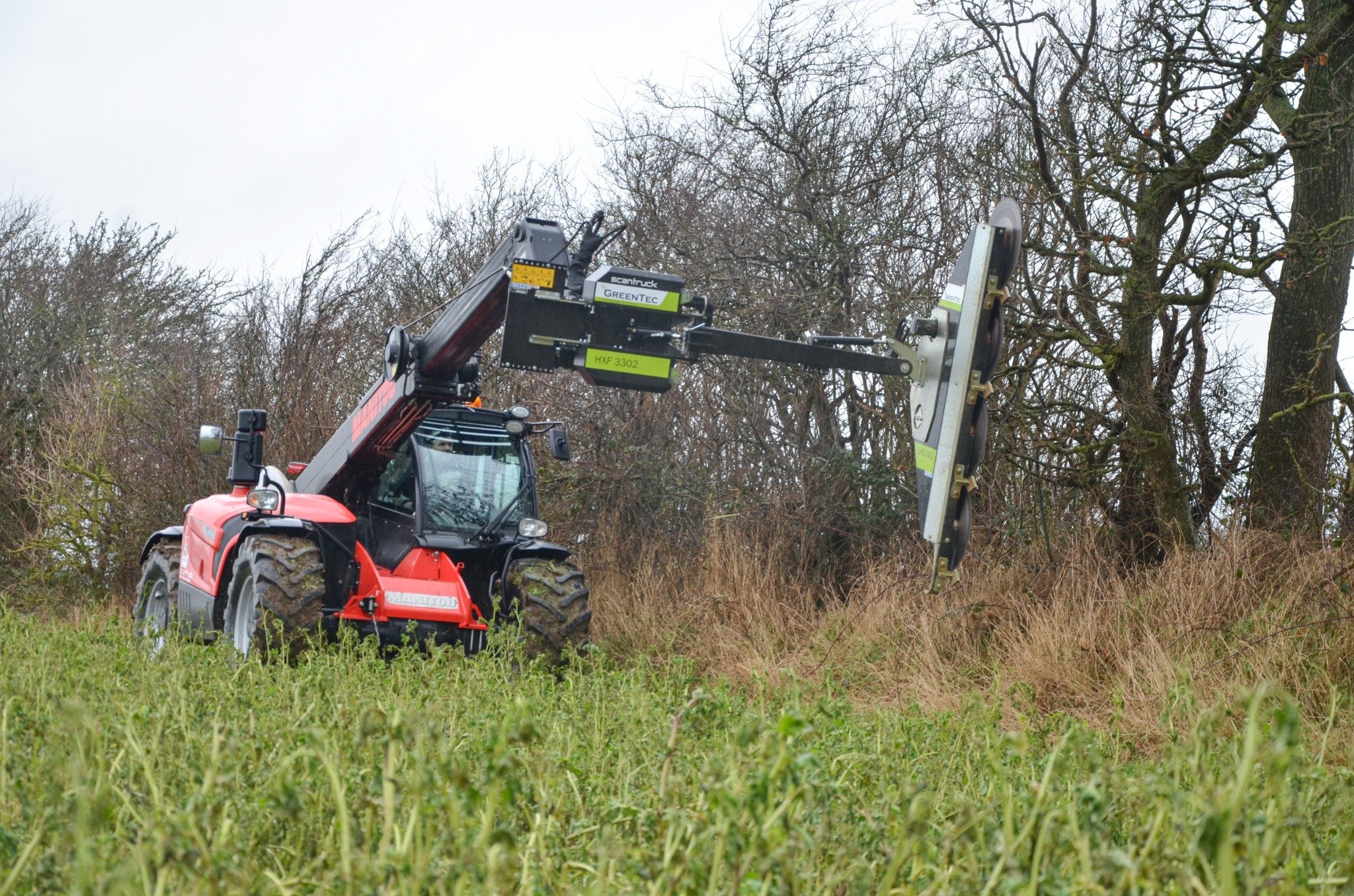
Disc mulchers are engineered for aggressive cutting and high-speed material processing. Tooth selection mainly comes down to steel vs. carbide, depending on soil conditions and maintenance preferences.
Steel Disc Teeth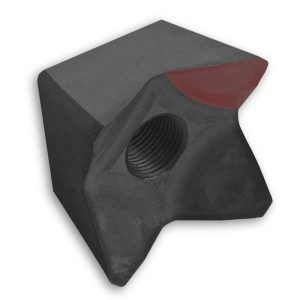
Best for: Soft soil, maximum aggressiveness, fine mulch
- Multiple razor-sharp cutting points
- Extremely productive and aggressive
- Produces the finest mulch finish
- Require regular sharpening and rotation
- Lower wear resistance in abrasive environments
Choose steel disc teeth if:
You work in soft soil and want maximum cutting speed and the cleanest mulch possible—and don’t mind regular maintenance.
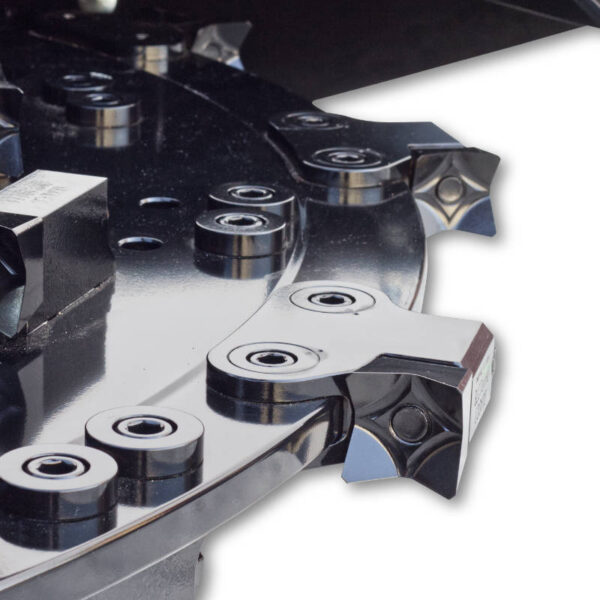
Carbide Disc Teeth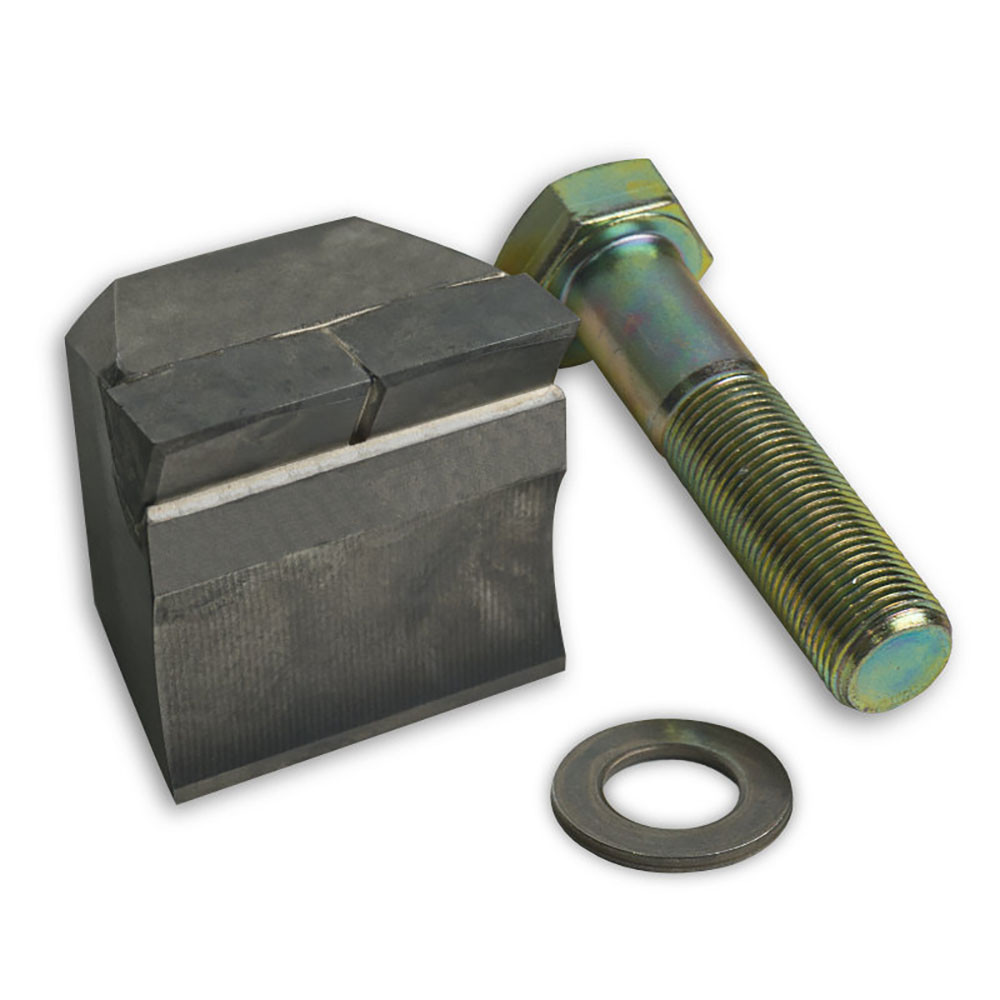
Best for: Rocky and sandy environments
- Abrasion-resistant carbide tips
- Significantly longer service life
- No sharpening required
- Slightly less aggressive than steel
- Reduced downtime and maintenance costs
Choose carbide disc teeth if:
You operate in abrasive conditions and prioritize durability and low maintenance over the absolute finest finish.

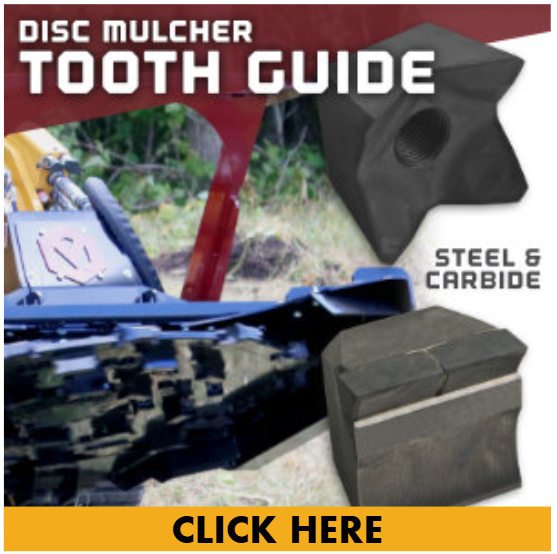
Disc Mulcher Tooth Guide
Disc Mulcher Tooth Placement
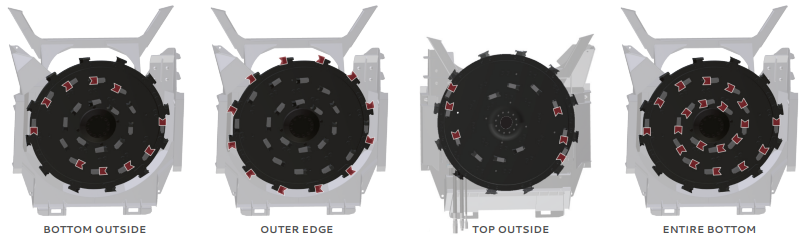
Key placement guidelines:
- Teeth must be installed in opposing pairs to maintain balance
- Carbide can be placed on the top, bottom, outer edge, or entire bottom of the disc
- Placement is often adjusted based on where wear occurs most frequently
Final Takeaway
Selecting the right mulcher teeth is about matching your equipment to ground conditions, vegetation type, operator skill level, and finish expectations:
- Steel teeth = sharper cuts, higher productivity, better finish
- Carbide teeth = durability, low maintenance, better performance in rock and sand
Whether you’re running a drum mulcher or a disc mulcher, the right tooth setup will improve efficiency, reduce downtime, and extend the life of your machine.
See more product information here: