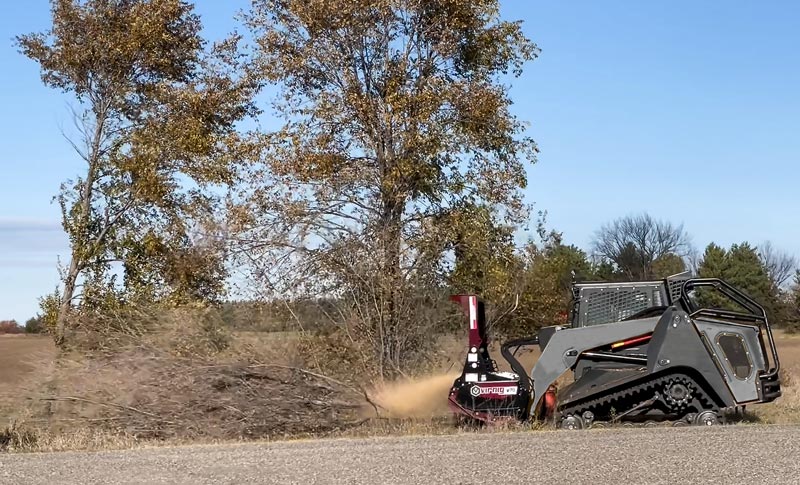
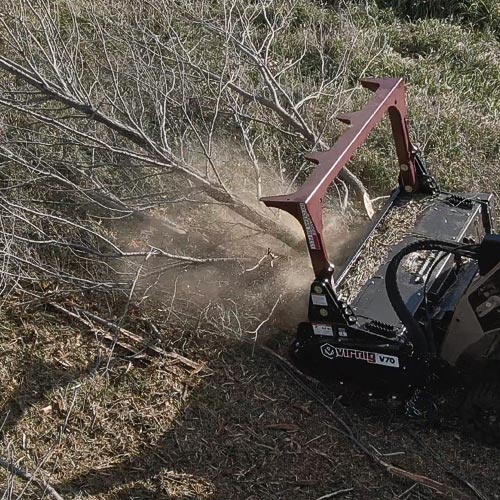
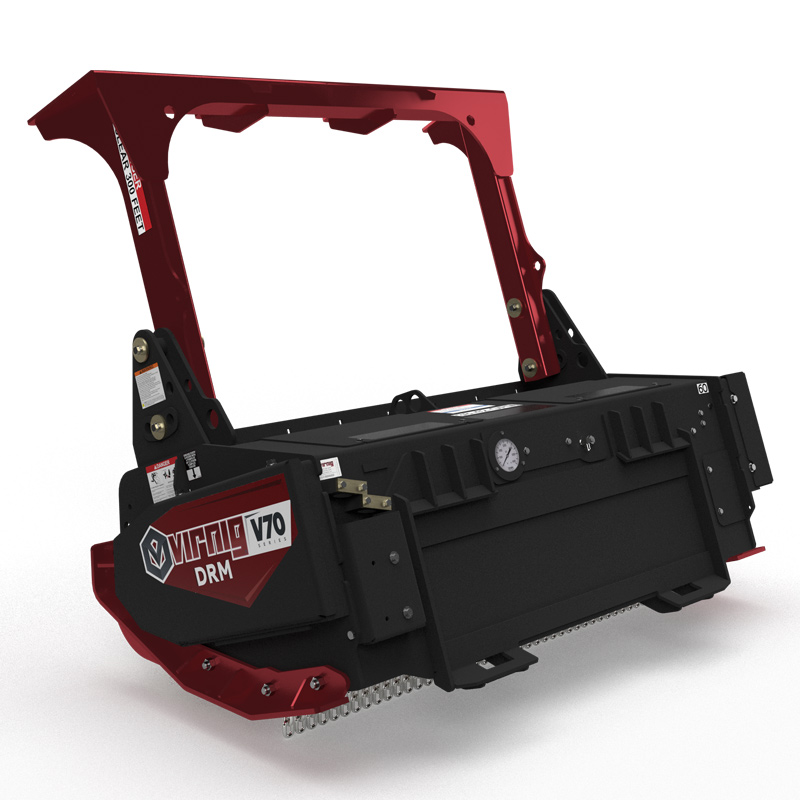
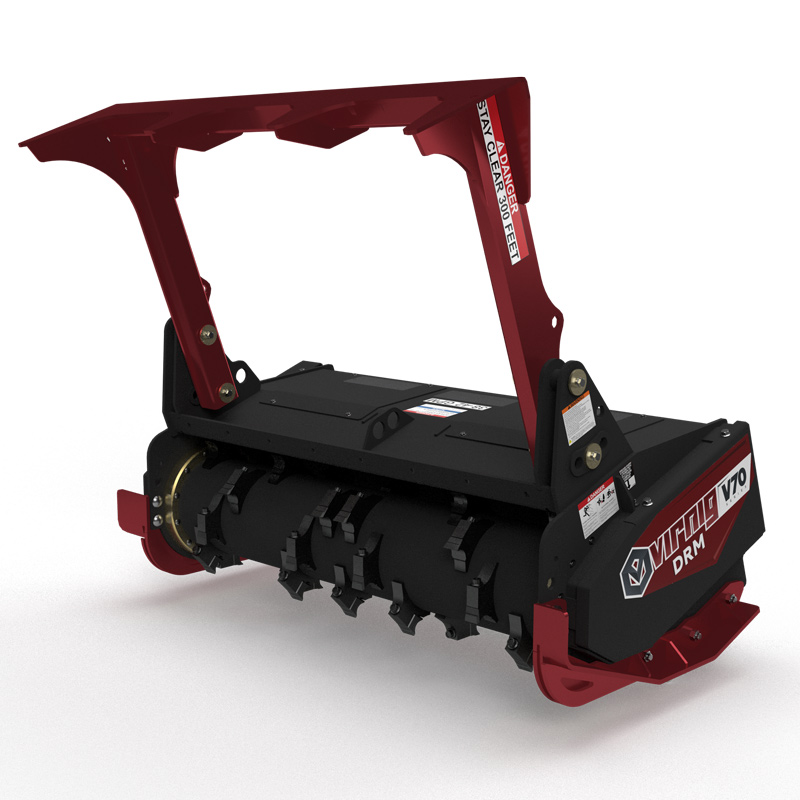
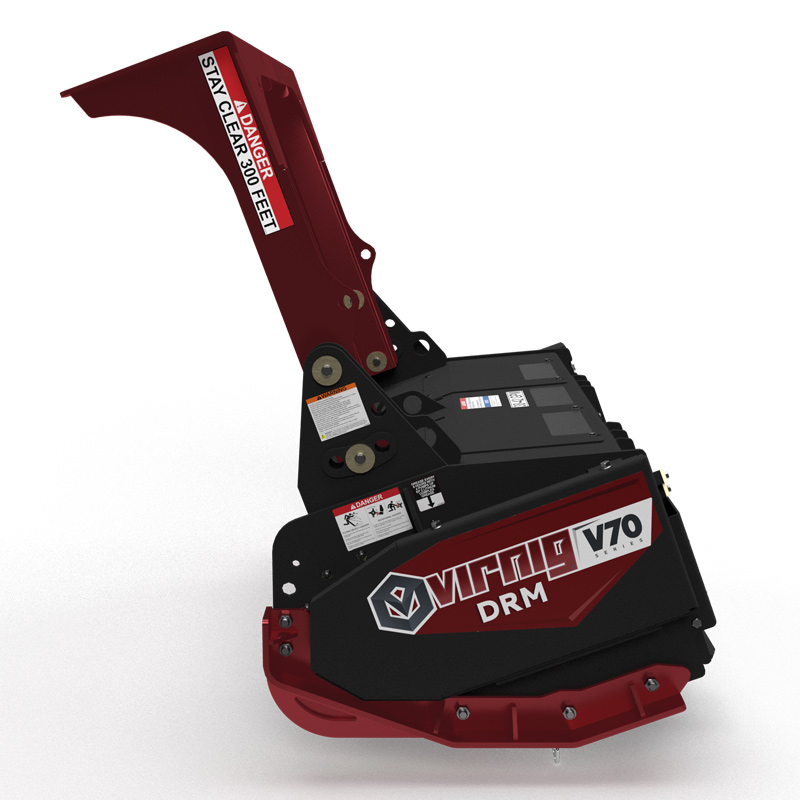
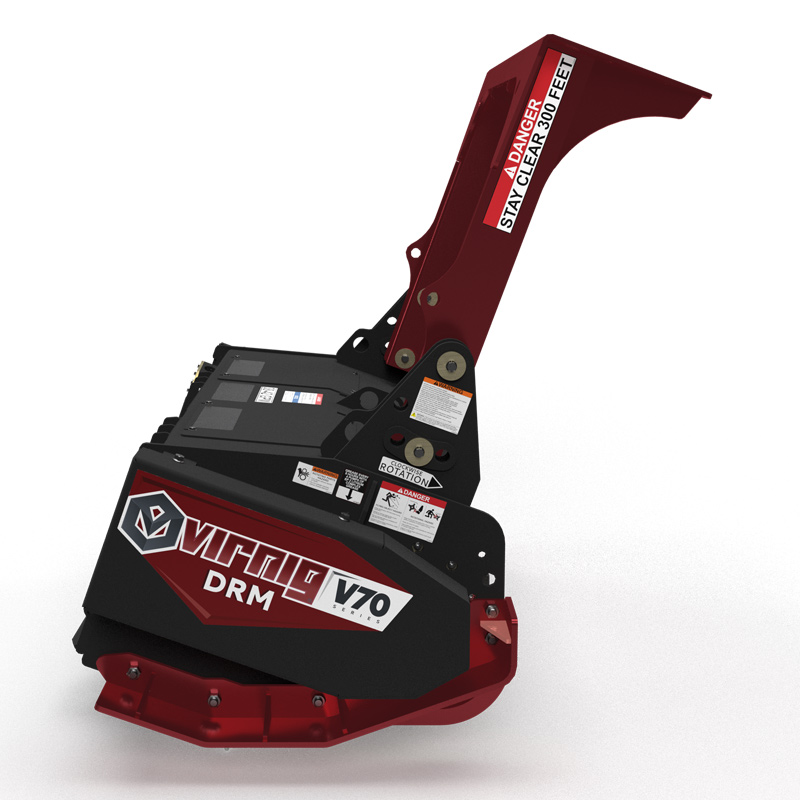
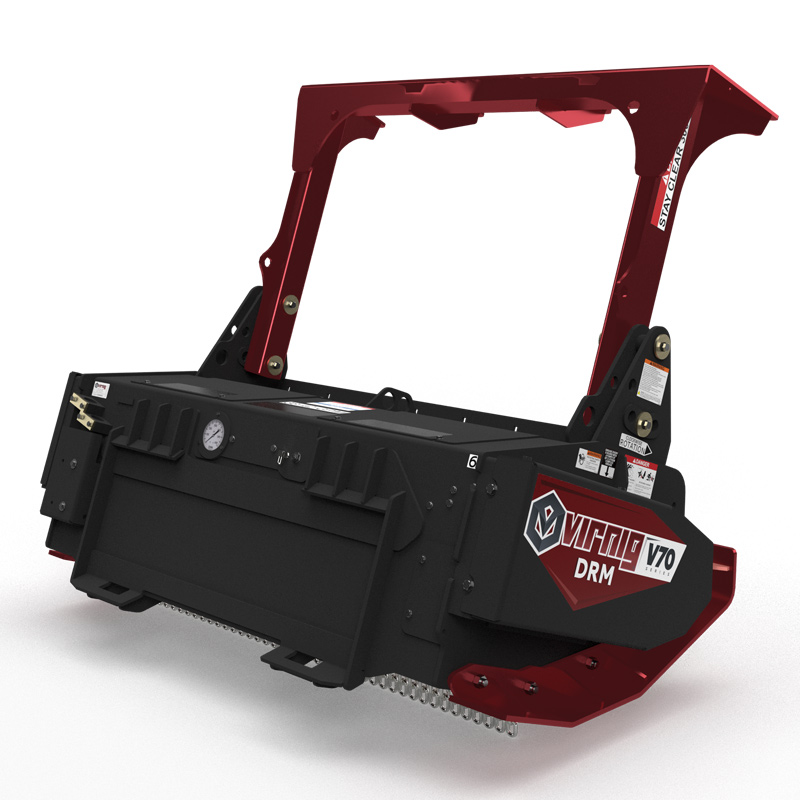
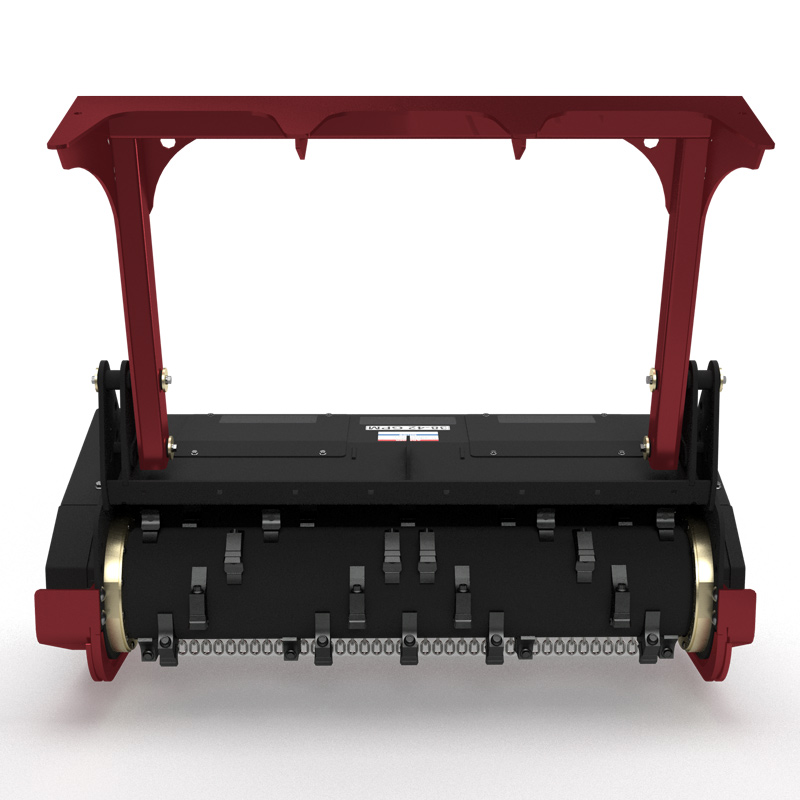
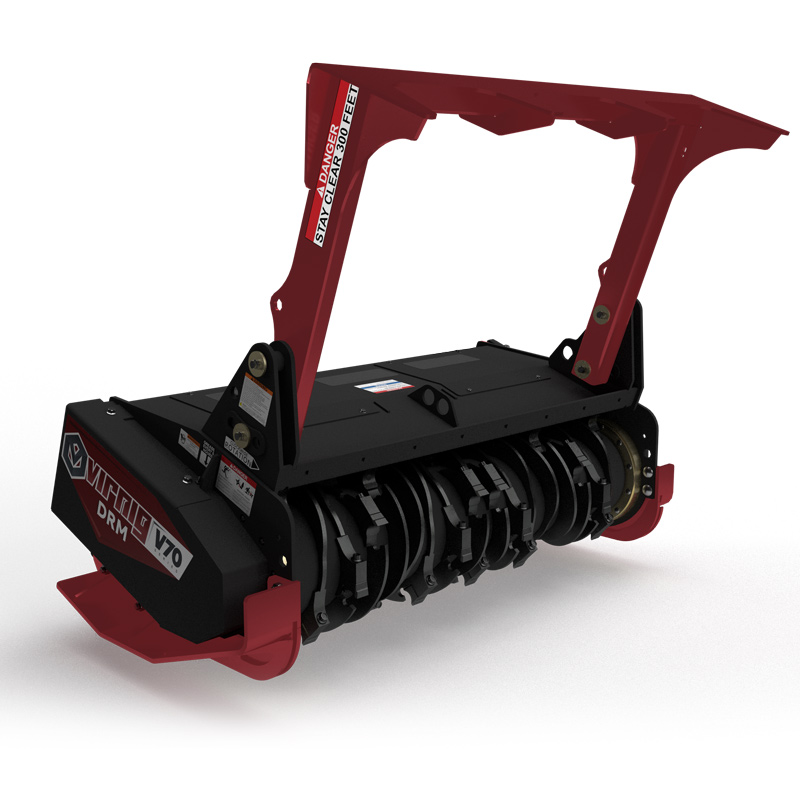
Virnig V70 Drum Mulcher

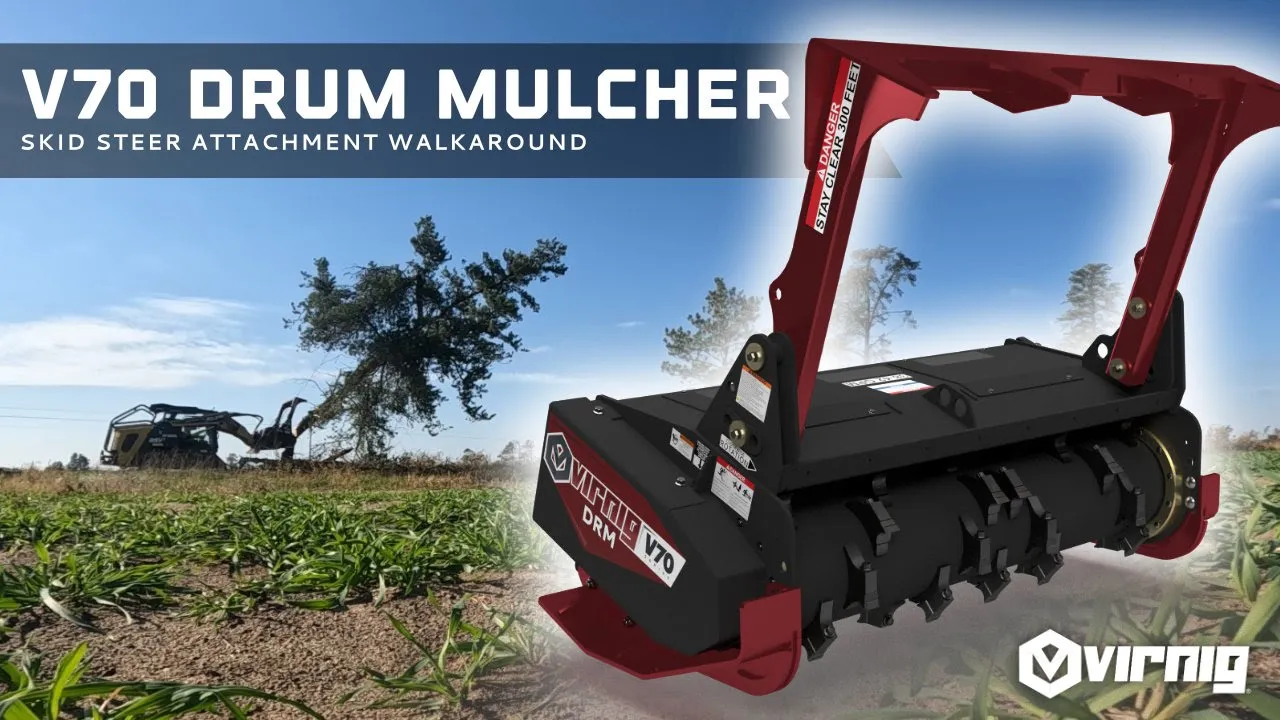
Virnig V70 Drum Mulcher

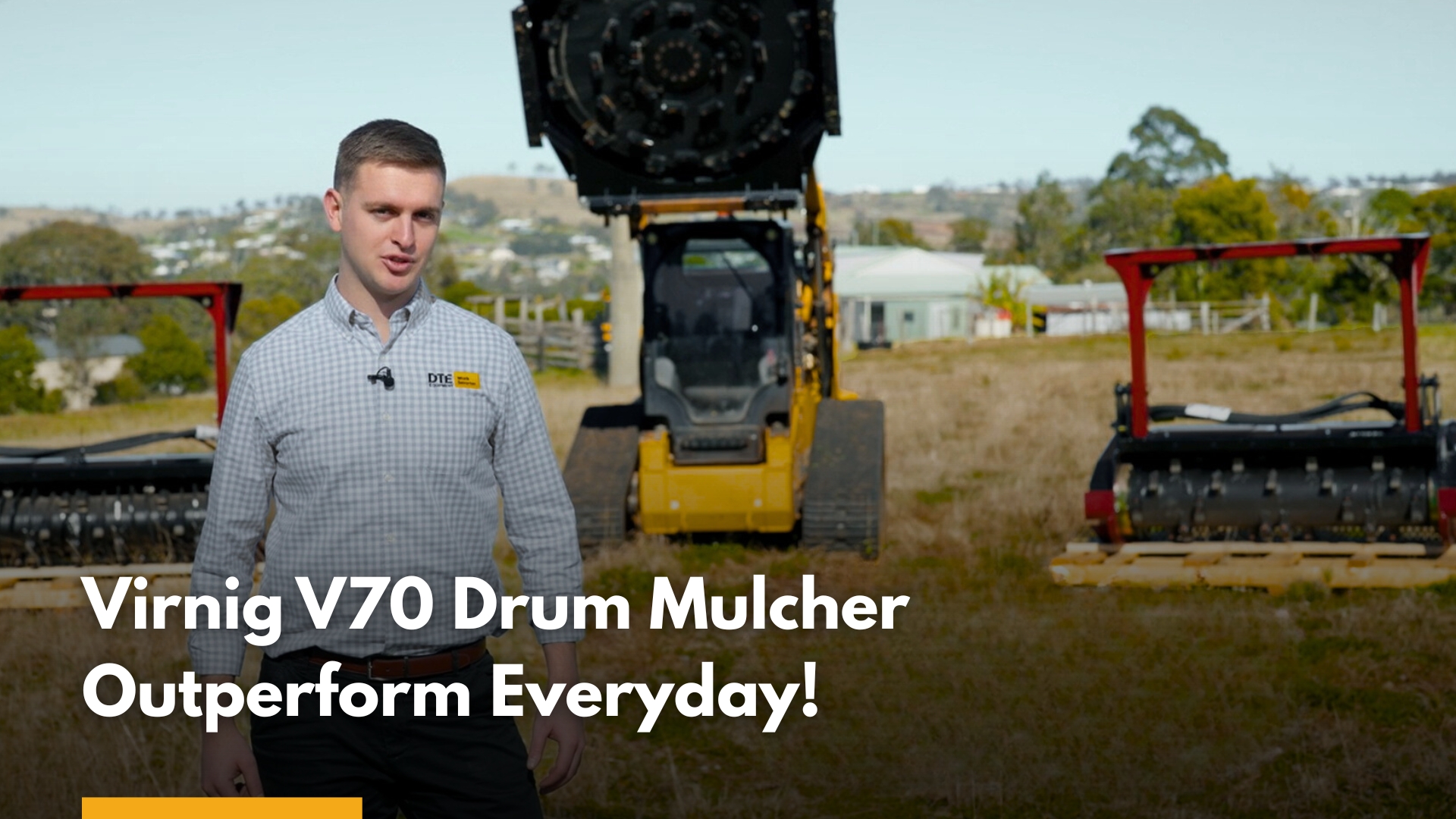
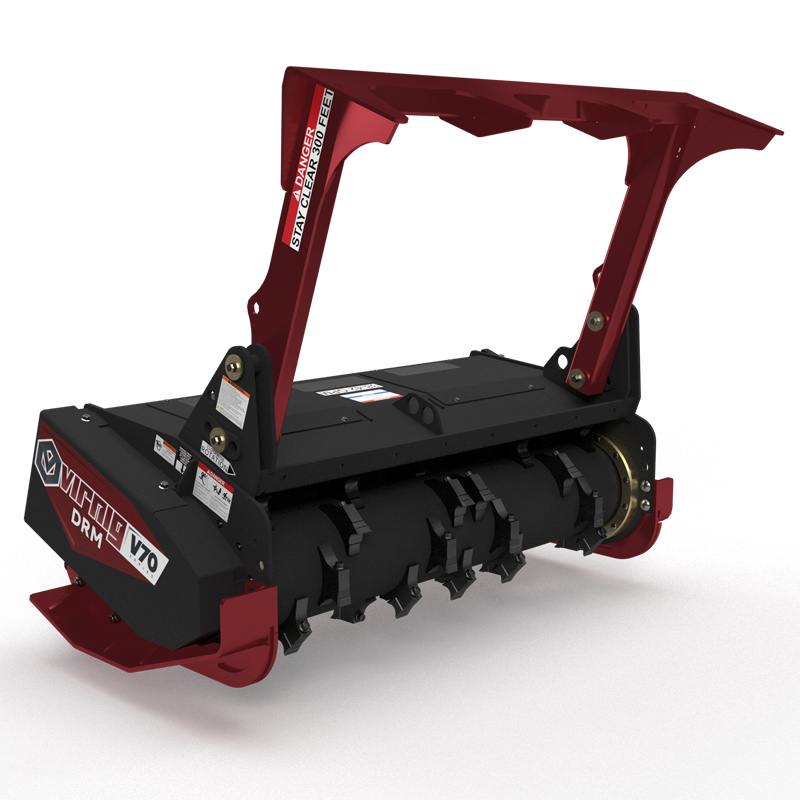
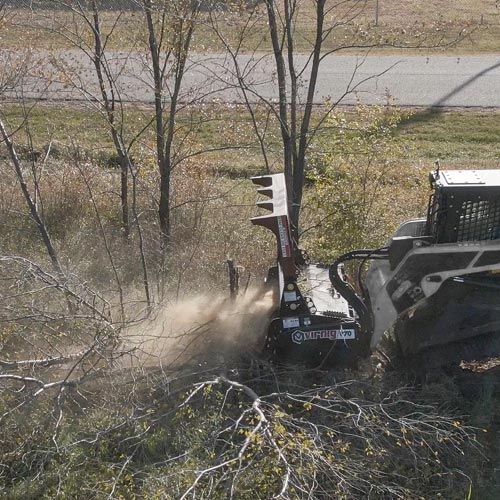
Efficiently turn 14″ diameter trees and vegetation into a fine mulch and grind stumps below grade.

  • FIXED & VARIABLE SPEED BENT-AXIS PISTON MOTOR OPTIONS. VARIABLE MOTOR PROVIDES MORE TORQUE FOR PRODUCTIVE STUMP GRINDING & MULCHING BELOW GRADE
  • FACTORY TUNED TO THE LOADER FOR OPTIMAL DRUM RPM — NO MOTOR ADJUSTMENT OR SERVICE TECHS REQUIRED
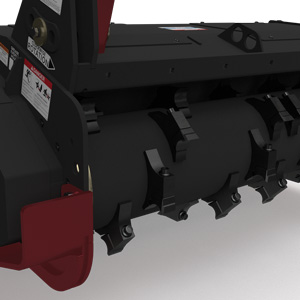
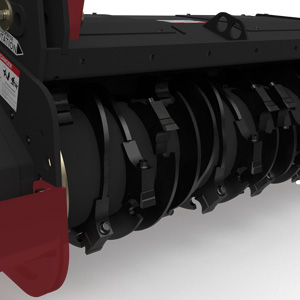
  • 18″ PERFECTLY BALANCED QUADCO® DRUM WITH FULLY ENCLOSED GREASEABLE BEARINGS (VIEW DRUM ROTOR GUIDE)
  • ANTI-WRAP DRUM PLATES PROVIDE WIRE & DEBRIS ENTANGLEMENT PROTECTION
  • INTERCHANGEABLE QUADCO® BOLT-ON STEEL & CARBIDE TOOTH OPTIONS (VIEW TOOTH GUIDE)
  • AR400 BOLT-ON SKID SHOES, ADJUSTABLE PUSH BAR & REPLACEABLE AR400 WEAR LINER
  • ADJUSTABLE BOTTOM BITE PLATE TO CONTROL MATERIAL DISCHARGE SIZE
  • SPINDLE LOW PRESSURE OIL VENT SAFEGUARDS BEARING ADAPTER SEALS IF MOTOR SEALS FAIL
  • CASE DRAIN CONNECTION INDICATOR PROVIDES VISUAL CONFIRMATION OF FUNCTIONING CASE DRAIN
  • REAR CHAIN CURTAIN REDUCES DEBRIS THROWN TOWARD LOADER & OPERATOR

Requires a high flow loader with a flow rate of 30-50 GPM. Max operating pressure is 4,200 PSI. DO NOT OPERATE MULCHER WITHOUT A SHATTERPROOF CAB ON LOADER.
This field is for validation purposes and should be left unchanged.
Name(Required)
Address(Required)

Thanks for downloading

Before your download begins, please fill out the form below.

Videos
Specifications
ModelDRM60DRM72
Cut Width60.0 in / 1524 mm72.0 in / 1829 mm
Overall Width73.0 in / 1854 mm85.0 in / 2159 mm
Height: Overall / Frame59.8 / 25.0 in / 1519 / 635 mm
Depth: Overall / Frame57.5 / 41.3 in / 1461 / 1049 mm
Push Bar Height From Ground58.2 in / 1478 mm
Cutting Capacity, Diameter14.0 in / 356 mm
Maximum Cutting Depth2.0 in / 51 mm2.0 in / 51
Number of Teeth3438
Maximum Drum Speed2500 RPM (+/- 150)
Drum Diameter18.0 in / 457 mm
Drum Wall Thickness1.0 in / 25 mm
Recommended Flow Rate30 - 50 GPM / 114 - 190 L/min
Max Operating Pressure4500 PSI / 31.0 MPa
Approximate Weight With Smooth Drum*2735 lb / 1241 kg3010 lb / 1365 kg
Recommended Loader CapacityGreater than 2800 lb / 1270 kg

*60″ bite control drum adds 130 lb / 59 kg and 72″ bite control drum adds 155 lb / 70 kg to model weight.

Blade Tip Speeds (FPM / m/min)

High Flow Model
ModelMin Drum SpeedMax Drum Speed
DRM11,075 FPM / 56.26 m/s12,500 FPM / 63.50 m/s

Blade tip speeds are shown in feet per minute (FPM) / meters per second (m/s).

FAQs

Yes, it can mulch 2” below grade when the mulcher is rolled forward on the skid shoes.

No, the pressure gauge is an optional feature.

Yes, the push bar can be manually set to three different positions for more or less drum engagement depending on the application.

The bite limiter plate can be adjusted to any point between 3/8” and 1-15/16” which increases or decreases the distance between the plate and the drum. The smallest chip size is achieved by adjusting the cutter bar as close as the slots will allow (approximately a 3/8″ gap from tooth to bite plate). A wider gap generally increases finished particle size. The steel plate can also be reversed to double the wear life.

Yes, tooth styles can be mixed on the drum as long as they’re installed in pairs & on opposite sides of the drum to maintain balance. There are many different ways to install teeth on the drum. For the segmented installation, operators enjoy having steel on the middle of the drum for high productivity and carbide on the outside for rock contact and less maintenance.

Here are the most popular tooth installation locations:

V70 DRM ships with all 34 or 38 of the same tooth type installed on the drum (ex. all steel planer or all carbide). Virnig will not install different tooth types on the same drum at the factory.

If a customer wants alternating or segmented teeth, they have to order those teeth separately and install those themselves. Teeth can be ordered individually or as a whole drum tooth kit. Every replacement tooth comes with a 12-point bolt.

There are three tooth options which can be mixed and matched on the drum. The optimal choice depends on ground conditions, ground contact required and chip size requirements.

Steel planer teeth are the most productive and provide the smallest and finest mulched finish. They can be resharpened and rotated 180 degrees for twice the life.

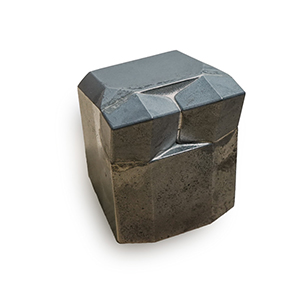
Carbide Planer teeth are a hybrid between the steel planer and carbide hammer. It provides high productivity and can handle minimal ground contact.

Carbide Hammer teeth are for significant ground engagement and will provide the largest chip size. They also require the most loader power to operate since they are pulverizing material instead of slicing and cutting.

Steel Planer

  • For max productivity and the finest mulch without ground contact
  • Have two razor sharp edges to quickly slice through wood and pick up material off the ground
  • Made from high-grade alloy steel and heat treated
  • Reversible and need to be sharpened regularly to maintain high production
  • Stay off the ground and out of sand with steel teeth or the edges will dull quickly

Carbide Planer

  • Sharp cutting angle and curved body profile for higher productivity than hammer teeth with minimal ground contact
  • Requires no maintenance – no sharpening required
  • Abrasion resistant carbide tips for durability in rocky & sandy environments
  • Produce slightly larger wood chips than steel planer with similar productivity

Carbide Hammer

  • For significant ground engagement in rocky and sandy conditions, less productive than planer teeth
  • Produces largest mulch and the least amount of ground suction – pulverizes and rips material instead of cuts
  • Requires no maintenance – no sharpening required
  • Ideal option if mulcher is primarily used to mix mulch into the soil
  • Most abrasion resistant option with lowest cutting performance and productivity
  • Requires more power from the loader to operate

Tooth life varies based on many different factors. During testing, Virnig has seen steel teeth last updwards of 400 hours and carbide 600 hours.

The V70 DRM utilizes Quadco® teeth which provide proven performance and durability.

Yes, the V70 DRM is very effective at grinding stumps and can grind them below grade.

The V70 Drum Mulcher requires a high flow loader with: 

  • Shatterproof (polycarbonate) cab 
  • 30+ GPM flow rate 
  • 2,800+ pounds operating capacity 

Here are some key differences between the two drum styles to help decide:

Smooth Drum

  • Ideal where significant ground contact is expected and when mulching below grade
  • Mulches entire pieces of vegetation at max cut depth and is more productive with smaller materials
  • Provides maximum energy transfer to the material
  • More likely to throw larger material and grab chunks
  • More likely for woody material to jam, since bite isn’t limited
  • Works well with steel planer and carbide teeth
  • Easier to keep balanced
  • Requires more HP from loader since bite isn’t limited
  • Lower upfront cost than bite control drums

Bite Control Drum

  • More productive and greater control during heavy, deep grinding in larger material
    • Controlling the cut depth when processing wood keeps the rotor working at greater efficiency and at a more stable torque load. Heavy wood use creates a high load in the drum and teeth and benefits from a controlled bite
  • AR450 bite control rings help maintain drum speed and prevent stalling by limiting the depth and amount of material the mulcher can cut in a single pass.
  • Smaller bites produce consistent chip size and finer mulch on the first pass
  • Less likely for woody material to jam
  • Rings are designed to feed material toward the center of the drum. Proper feeding toward the center contributes to better mulching quality. It allows for consistent and uniform processing of the material, resulting in a more finely mulched finish
  • Much more productive with steel teeth than carbide. Bite control doesn’t work as well with carbide teeth since these provide less suction off the ground and suction is needed when working in rocky conditions
  • Slightly heavier and rings offer extra protection to the teeth and tooth holder
  • Rings may wear unevenly and require drum rebalancing
  • Requires less HP from loader
  • Higher upfront cost than smooth drums

The V70 DRM comes with a case drain line and a spindle oil vent to prevent motor seal and bearing adapter seal failure. In the event there is a spike in pressure in your hydraulic lines, the case drain will relieve the pressure and drain it back into the return line and back to the loader. If the case drain (third line) is not connected or if the line fails, then the case drain will release some oil to notify the operator. A properly installed case drain protected by a vent will save the work of replacing the shaft seal and save down time from unexpected maintenance.

The Fixed Speed Bent-Axis Piston Motor (63cc max displacement) is the less expensive option for lighter vegetation and brush removal above ground. It will stall easier than a variable motor during heavy material loads, like when grinding stumps or mulching below grade, since it has less torque.

The Variable Speed Bent-Axis Piston Motor (85cc max displacement) is the most popular motor due to productivity gains when stump grinding and ground mulching. During heavy material loads, the motor smoothly shifts to max displacement and a slower speed to provide more torque.

No, the V70 DRM doesn’t have a brake. The drum rotor will continue to spin for several minutes before stopping. Operators should NEVER leave the cab until the drum stops spinning.

60” drum mulchers are more popular since they’re more maneuverable in tight spaces, draw less HP from the loader and spin up and recover faster than a 72” drum mulcher. When primarily clearing trees, most of the production occurs in the middle of the drum and having an extra foot of cutting width isn’t necessary.

72” drum mulchers process more material at a faster rate than a 60” drum mulcher This can be an advantage when working on larger job sites with a lot of ground vegetation to clear and where significant back dragging and ground mulching is required. The heavier drum handles larger material loads and provides more cutting momentum when grinding stumps and through thick vegetation. 72” drum mulchers are more expensive upfront and will likely cost more to operate and maintain.

The Virnig V70 DRM uses a synchronous timing belt, wound around a motor sheave and drum sheave to get the drum rotor speed. This method doesn’t require any motor adjustment, special tools or having service tech come and tune the V70 DRM.  

There are 10 different sheave combinations to match flow rate and get optimal drum speed. The sheaves have varying quantities of teeth. See the shave combination chart below.  

Note: fixed and variable motors require different sheave combinations. 

The V70 DRM will come tuned for optimal drum speed and be ready to use from the factory within a GPM increment. The flow range choices (in GPM) are: 

  • 30-33.9 
  • 34-37.9 
  • 38-41.9 
  • 42-45 
  • 42.1-50 

They both have advantages and disadvantages. Typically, drums are used in residential areas and discs used in unrestricted, rural areas with no houses or traffic. If flying debris is a concern, then a drum should probably be used. If the customer doesn’t care about the finished product and are in an unrestricted area, then a disc mulcher is usually preferred. 

Discs are for speed and are much more productive and efficient for cleared area/time. They can process an entire tree in a split second and the mulched material doesn’t pile up. 

Drums are more productive at processing felled material, leave less mess during initial knock down, produce a finer mulched finish and have better debris control. 

Drums can get below ground level (great for stumps), discs can cut flush with the ground. 

Quick Comparison Summary  

  • Drum = Quality: slower, nicer finish, some debris control, diverse environments, mulch below grade, higher operating cost, more expensive upfront cost  
  • Disc = Speed: faster, messier finish, debris uncontrollable, unrestricted environments, mulch ground level, lower operating cost, less expensive upfront cost 

Options

Smooth Drum

  • Designed for heavy ground engagement and mulching into the soil.

Bite Control Drum

  • Helps maintain drum speed by limiting the depth of material being processed.

Pressure Gauge

  • Monitor hydraulic operating pressure for max productivity.

Carbide Planer Teeth

  • For higher productivity and minimal ground contact.

Carbide Hammer Teeth

  • For significant ground engagement in rocky conditions.

Steel Planer Teeth

  • For max productivity and the finest mulch without ground contact.

Variable Motor

  • Provides more torque for productive stump grinding and mulching below grade.

Fixed Motor

  • Economical motor for mulching lighter vegetation above ground.