Choosing the right forestry mulching machine isn’t just about picking a brand or the biggest attachment available — it starts with understanding the key factors that affect performance, safety, and long-term operating costs. From the type of vegetation you’re clearing and the finish you require, through to machine compatibility, cutting style, and build quality, each decision plays a role in how efficiently the mulcher will work in real conditions. The sections below break down the main considerations to help you choose a forestry mulcher that suits your application, your machine, and the way you work.
1. Understand Your Project Requirements
Before you start comparing mulchers, the first step is getting clear on what you actually need the machine to do. The “best” forestry mulcher depends entirely on your job site, the material you’re clearing, and the finish you’re aiming for.
Here are the key things to consider:
- What type of vegetation are you clearing?
Mulchers handle different material in very different ways. Light scrub, lantana and regrowth can be cleared quickly, while hardwood saplings, dense bush and standing timber require more power, stronger cutting systems, and heavier-duty construction. - How big is the material (and how often)?
Be honest about your average workload and your worst-case days. If you’re mostly clearing small regrowth but occasionally hitting larger timber, you’ll want a mulcher that can handle the heavier material without constantly stalling or overheating. - What finish do you need?
Some jobs require a neat, fine mulch finish — especially around homes, fence lines, roadsides, and firebreaks. Other jobs are purely about clearing ground fast, where a rougher finish is acceptable. Knowing this upfront helps determine the right mulcher style and tooth setup. - Where are you working — residential or rural?
Your environment matters. If you’re near buildings, roads, or people, debris control becomes critical and you’ll usually want a more controlled cutting style. In open rural areas where productivity matters most, you can prioritise speed and clearing aggression. - Are you mulching stumps, ground engaging, or just clearing above ground?
If you need to grind stumps down or work closer to ground level, you’ll want a mulcher designed for that type of engagement. If you’re only clearing vegetation above ground, you can focus more on cutting speed and flow efficiency. - How much work are you doing each day?
Occasional property work and commercial daily mulching are two different worlds. For high-hour operators, durability, service access, wear parts, and hydraulic protection features become much more important because downtime gets expensive quickly.
2. Equipment Compatibility and Power Requirements
A common mistake is purchasing a mulcher without confirming that it is compatible with the machine that will power it. Forestry mulchers must align with the hydraulic flow, horsepower and operating capacity of the host equipment, whether that is a skid steer, tractor or excavator.
Here’s what to check:
- Hydraulic flow and pressure
Mulchers need the correct hydraulic flow (LPM/GPM) and operating pressure to reach working speed and maintain torque under load. Too little flow will feel slow and bog down constantly, while incorrect pressure can cause overheating and unnecessary wear. Always confirm the mulcher’s required flow range matches your skid steer’s high-flow output. - Horsepower and machine class
Even with the right flow numbers on paper, machine size matters. Larger-frame skid steers handle mulchers better due to higher horsepower, stronger lift arms, and more stability. If you’re working in heavy timber or clearing full days commercially, under-speccing the carrier usually means slower clearing, higher fuel use, and more strain on the machine. - Weight, balance and stability
Mulchers are heavy attachments. You need to consider operating weight, tipping load, counterweights (if required), and overall stability — especially on slopes or uneven ground. A machine that’s too light may struggle to stay planted, which reduces control and increases operator fatigue. - Motor type and torque management
Some mulchers offer different motor setups, such as fixed or variable displacement motors. In heavy cutting conditions, a system that can automatically shift to deliver more torque can make a noticeable difference in productivity and reduce stalling. - Auxiliary connections and case drain requirements
Many high-performance mulchers require a case drain line and specific hydraulic hose setups. Ensuring your machine is properly plumbed and configured is essential for long-term reliability and correct hydraulic protection. - Cooling capacity and heat management
Mulching creates heat — especially in Australian summer conditions. Make sure your skid steer’s cooling system is clean, working properly, and capable of handling continuous high-flow operation. Poor cooling often leads to reduced performance and premature hydraulic issues.
3. Mulcher Head Type: Drum vs Disc
One of the biggest decisions when choosing a forestry mulcher is picking the right cutting style — drum or disc. Both will clear vegetation, but they behave very differently in the real world.
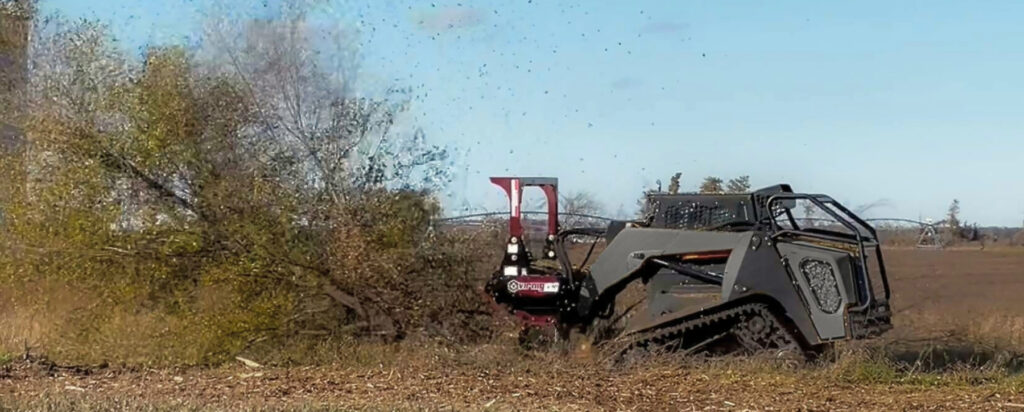
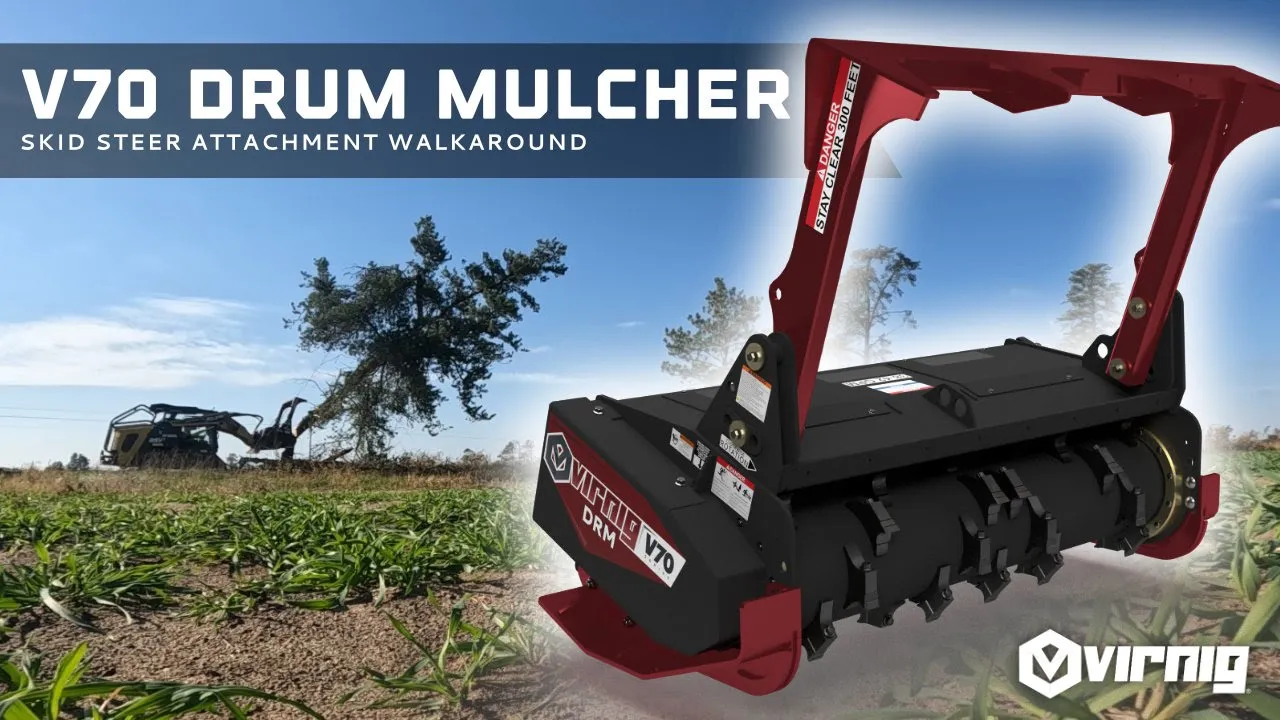
Drum mulchers are known for control. They produce a finer, more consistent mulch, keep material movement more predictable, and are typically the better option when the finish matters. They’re well suited to property maintenance, roadside work, firebreaks, urban or semi-urban environments, and clearing thick scrub where you want a cleaner result.
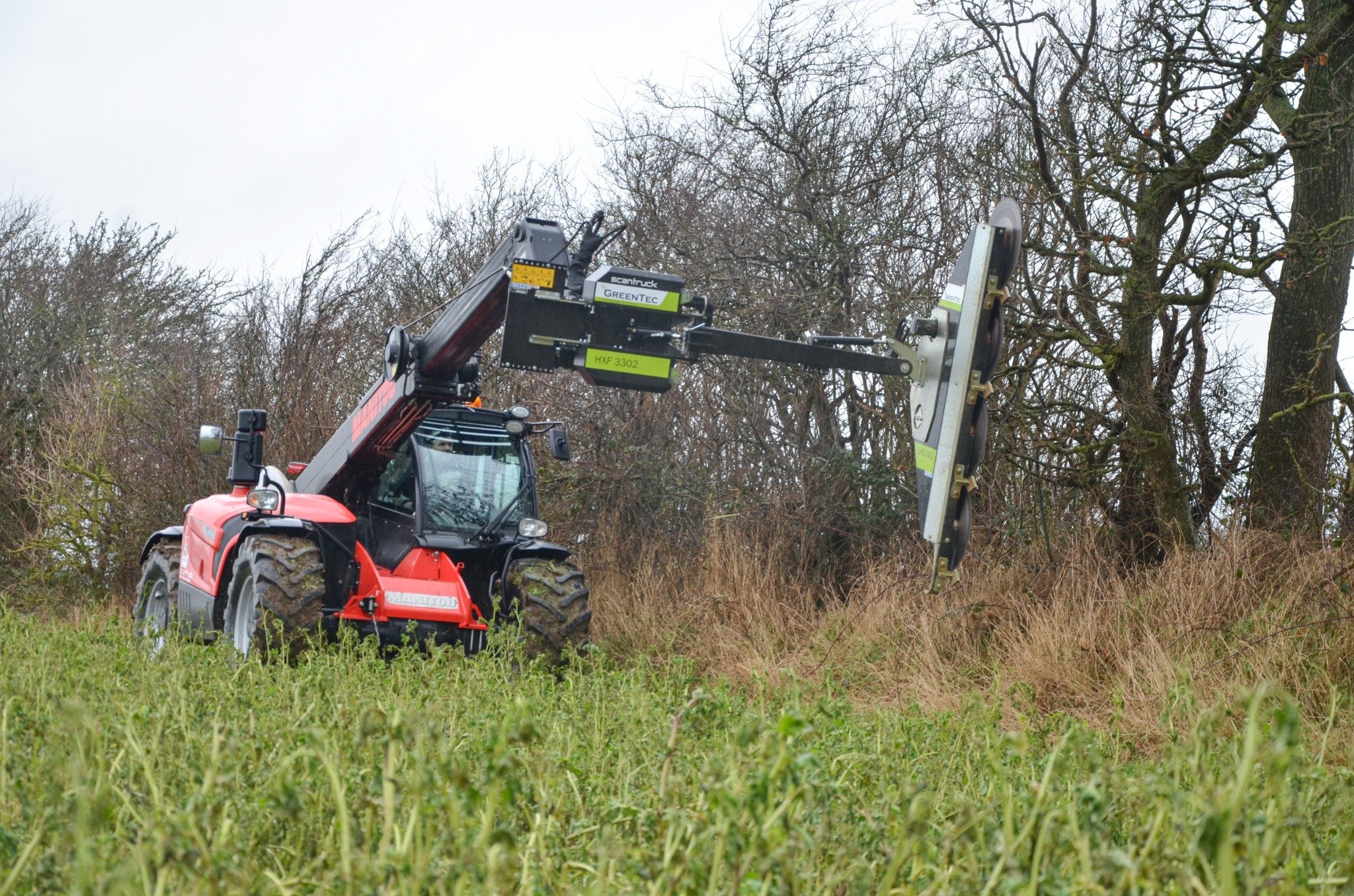
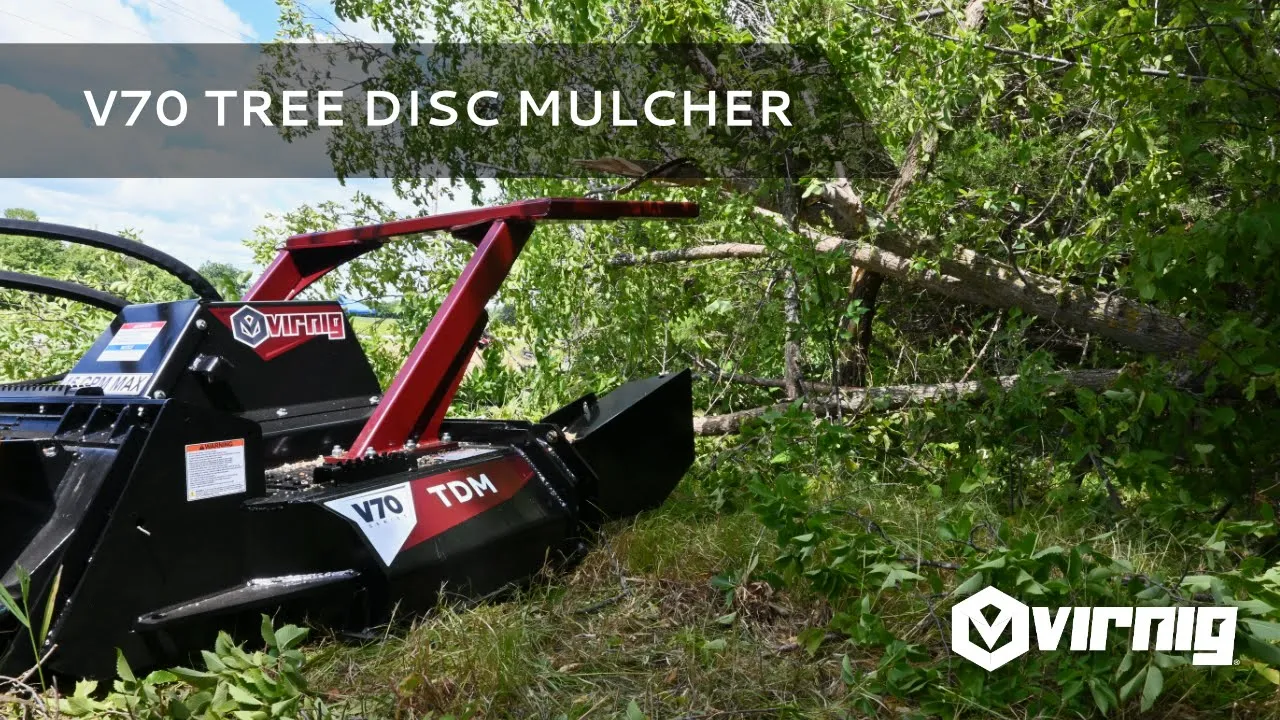
Disc mulchers are built for speed and aggression. They generally clear faster and hit harder, making them ideal for high-production work in open rural areas, especially when you’re knocking down heavier timber and pushing through dense regrowth.
In simple terms:
- If you want finish, control, and easier handling, lean toward a drum mulcher.
- If you want maximum output and fast clearing in rough country, a disc mulcher is hard to beat.
The best choice comes down to your environment, debris control requirements, and how much production you need per day.
4. Durability, Build Quality and Maintenance
Forestry mulching is one of the harshest jobs you can put an attachment through. Impacts from rocks, roots and hardwood can quickly expose weak points in cheaper or lightly built mulchers, so build quality should be a major deciding factor.
When comparing mulchers, look for durable construction and wear protection in the areas that take the most punishment:
Rotor / drum / disc strength and thickness
A larger diameter drum or a properly machined disc can carry more momentum and reduce shock loading on the drivetrain. Thicker drum walls and heavy-duty structural reinforcement help prevent cracking, bending and premature fatigue under commercial use.
Wear liners and replaceable wear components
Mulchers that use replaceable wear liners and skid shoes can be significantly cheaper to own long-term. Instead of rebuilding the entire housing or frame when worn, you’re replacing the sacrificial wear parts designed for that purpose.
Bearing protection and anti-wrap design
Material wrapping around the rotor area is one of the most common causes of bearing damage and overheating. Features like anti-wrap plates and fully enclosed bearings help protect critical components and reduce maintenance problems over time.
Greaseability and service access
Simple things make a big difference in uptime: grease points that are easy to access, sealed bearing systems, and protective pressure vents that reduce internal contamination and thermal pressure build-up.
Tooth options and replaceable cutting systems
Teeth quality plays a major role in both durability and the type of finish you achieve. Good mulchers offer multiple tooth styles such as:
- Steel planer teeth for fine mulch and clean finish
- Carbide planer teeth for extended service life
- Carbide hammer teeth for ground engagement and harsher conditions
In general, the easiest mulchers to maintain are the ones designed with the reality of daily commercial work in mind — protected components, replaceable wear parts, and proper sealing against debris and dust.
5. Safety and Operational Features
Forestry mulchers operate in unpredictable environments where debris, hydraulic load spikes, and limited visibility can create serious risk. Safety features should protect both the operator and the attachment — especially when working in dense scrub, uneven ground, or unknown terrain.
Key safety and operational features to look for include:
Debris containment and guarding
A well-designed mulcher should include strong guarding, shielding and deflectors to help manage debris direction. This becomes even more important in roadside work, near fencing, or anywhere people and property are nearby.
Hydraulic protection and relief systems
Hydraulic shock loads are one of the main causes of expensive failures. Look for systems that protect the motor, seals and drivetrain, such as:
- Built-in relief valves
- Pressure relief / venting for sealed components
- Case drain protection with visual confirmation features, where applicable
These reduce the chance of seal failure and motor damage when the mulcher hits heavy timber or sudden impact loads. Or an operator simply forgets to connect the case drain.
Hose routing and component protection
Mulchers with hydraulic hoses routed internally (or well shielded) reduce the chance of hose damage from sticks, stumps, and flying debris. Guarding around the motor and spindle is also a major advantage in rough environments.
Operator control and visibility
Clear controls and predictable cutting behaviour reduce operator fatigue and improve job safety. This matters especially when precision is required — like urban/residential work or vegetation control near assets.
Application-matched cutting behaviour
Some mulchers are designed to process material more aggressively, while others are designed for more controlled mulching and better debris management. Selecting a mulcher based on where you’re working (open rural vs sensitive areas) is a major part of running safely and efficiently.
Even with the right attachment, operator safety still comes down to proper training and safe work practices. Always follow manufacturer guidelines and operator manuals, and choose equipment with built-in protection systems that reduce risk when conditions get tough.
6. Budget and Return on Investment
While purchase price is an important consideration, focusing only on upfront cost can be misleading. Total cost of ownership should be evaluated, including reliability, durability, productivity, servicing and resale value.
A higher-quality forestry mulcher often delivers better long-term value through reduced downtime, lower maintenance costs and stronger resale potential.
At DTE Equipment, we supply premium extreme duty vegetation management solutions designed for Australian conditions, offering long service life and excellent return on investment.
Conclusion
Choosing the right forestry mulching machine is not a one-size-fits-all decision. By carefully considering project requirements, equipment compatibility, mulcher type, durability, safety features and overall return on investment, you can select a machine that maximises productivity and long-term value.
Explore the range available at DTE Equipment to find professional forestry mulching solutions built to perform in demanding Australian environments.
Contact our team at DTE Equipment on 1800 867 832 to discuss your specific mulching requirements.
For more Information on:
Drum Mulchers:

Disc Mulchers: