Effective canopy management is critical for commercial orchard success. It directly influences light interception, disease pressure, spray coverage, machinery access, harvest efficiency, and ultimately fruit quality and yield. One of the most common questions growers face is whether to invest in selective pruning, mechanical hedging, or a hybrid approach. This article breaks down the considerations for different orchard types in Australia and provides guidance on the best strategies to balance tree health with commercial outcomes.
What Is Selective Pruning?
Selective pruning refers to the targeted removal of specific branches or limbs, such as diseased wood, overly vigorous shoots, or shading limbs, to shape the tree canopy for improved light distribution, airflow, and long term structure.
Why agronomists often recommend selective pruning
- Improves photosynthesis and internal light distribution by opening the canopy
- Targets unwanted growth without unnecessarily removing productive fruiting wood
- Reduces disease pressure and improves spray penetration
- Supports long term tree health and structural balance
Despite these benefits, selective pruning is labour intensive and time consuming. In large scale commercial orchards with thousands of trees, this approach alone can be difficult to justify from a cost and labour availability perspective.
What Is Mechanical Hedging or Selective Pruning?
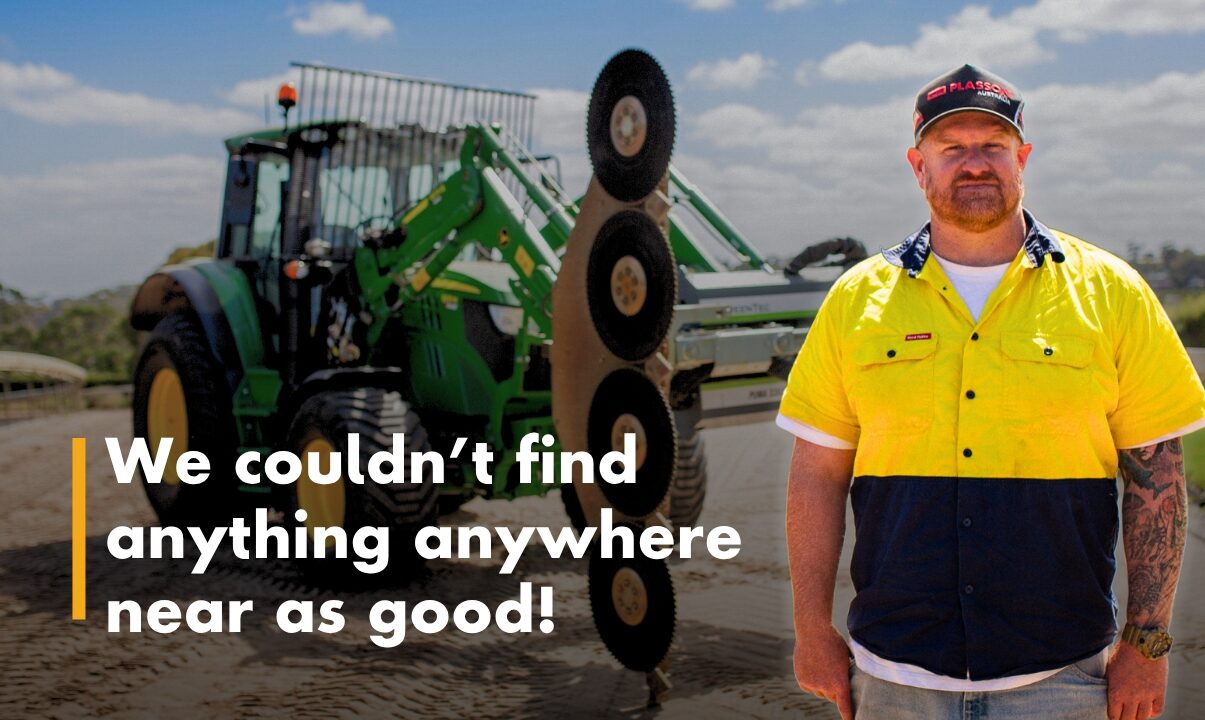
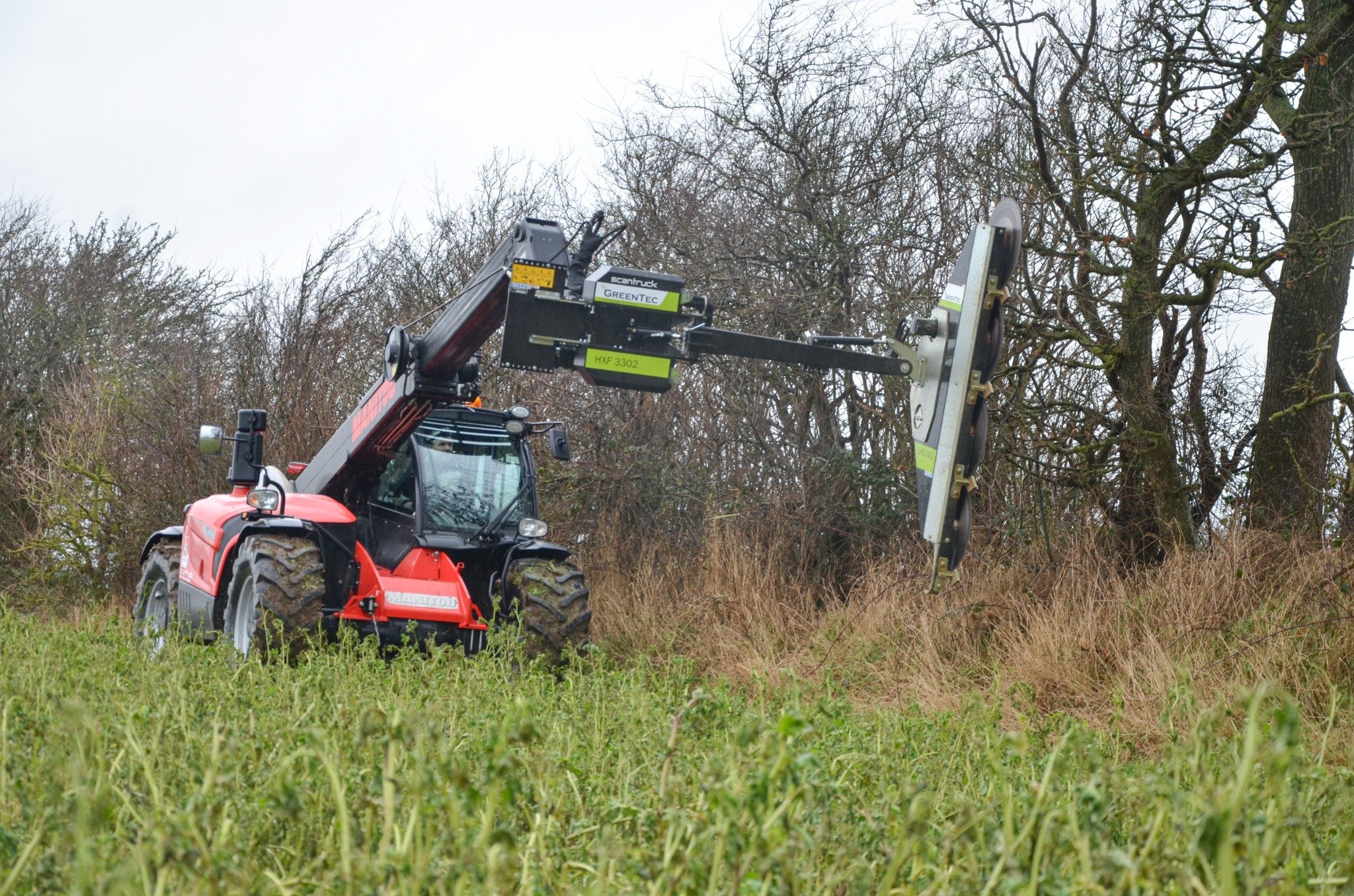
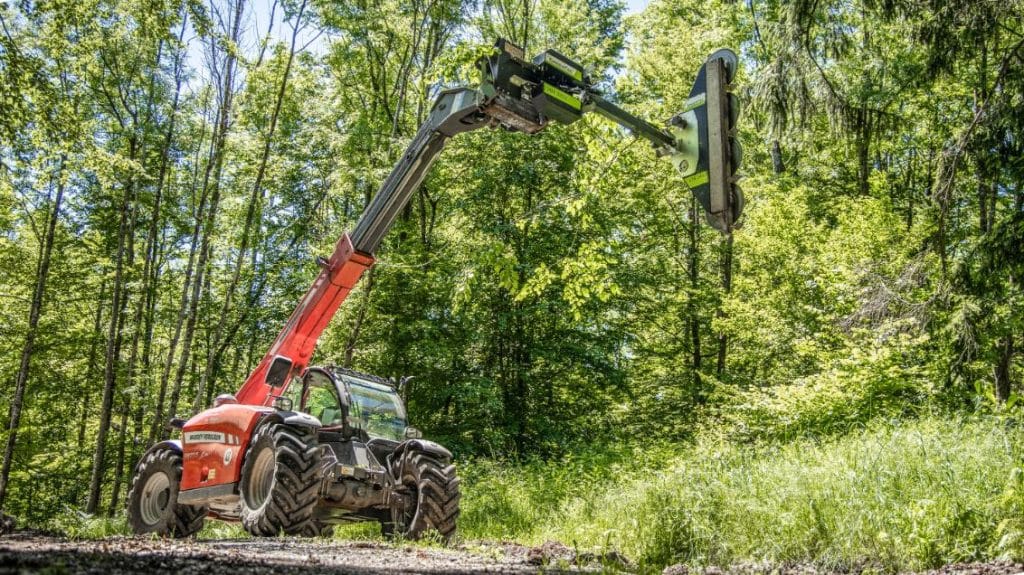
Mechanical hedging involves the use of tractor mounted or orchard machinery to trim trees to a set line or fruiting wall. This method is faster and significantly reduces labour requirements. It is commonly used in modern high density orchard systems where uniform tree shape is essential for mechanised operations.
Advantages
- Lower pruning cost per hectare
- Rapid canopy control across large blocks
- Maintains consistent tree dimensions for harvesting and spraying
Limitations Compared to Selective Pruning
- Non selective removal of wood, including fruiting sites
- Increased regrowth and watershoot development if not well managed
- Risk of internal canopy shading over time
Mechanical pruning is highly effective for scale but can compromise fruiting efficiency and tree balance if used without follow up management.
Selective Pruning vs Mechanical Pruning for Australian Orchard Systems
Different crops and orchard designs require different approaches. Below is a summary of best practice canopy management by orchard type.
Apples and Pears
High density apple and pear systems, including fruiting walls and narrow canopies, commonly rely on mechanical hedging for side and top control. This supports uniformity and efficient orchard operations. However, research shows that mechanical pruning alone can reduce fruit size and internal canopy quality over time.
Recommended approach:
A hybrid system. Use mechanical hedging to maintain canopy dimensions and follow up with selective pruning to manage interior structure, light penetration, and fruiting wood.
Citrus and Mandarins
Mechanical hedging and topping are widely used in citrus orchards to manage tree size, improve spray access, and support efficient harvesting. Citrus trees, however, are evergreen and sensitive to excessive canopy removal.
Recommended approach:
Regular mechanical pruning for access and size control, combined with selective pruning to thin dense areas and remove problematic limbs while maintaining adequate leaf area.
Avocados
Light interception is critical in avocado production, as flowering and fruit set occur on well lit terminals. Mechanical pruning is widely adopted in Australia to control canopy size and reduce labour costs, but timing and follow up are critical.
Recommended approach:
A hybrid strategy. Mechanical pruning to manage orchard scale and selective pruning to improve light distribution, reduce shading, and protect productive fruiting zones.
Macadamias and Other Tree Crops
Macadamia orchards often benefit from early tree training and ongoing canopy management. While selective pruning supports long term structure, it can reduce early yield if applied too heavily. Mechanical pruning helps manage size but must be carefully integrated.
Recommended approach:
Hybrid canopy management that balances selective structural pruning with mechanical height and width control as trees mature.
When Pure Mechanical or Pure Selective Pruning Makes Sense
Pure mechanical pruning may suit:
- Very large orchards with limited labour availability
- Mature blocks with uniform spacing and established fruiting walls
Pure selective pruning may suit:
- High value production systems where fruit quality outweighs labour cost
- Orchards with irregular or uneven canopy structure requiring correction
For most Australian commercial orchards, neither approach on its own delivers the best outcome.
Why a Hybrid Approach Often Works Best
Most agronomists and commercial trials support a hybrid pruning system that combines the efficiency of mechanical hedging with the precision of selective pruning.
This approach:
- Maintains tree size and access efficiently
- Improves internal canopy health and light penetration
- Reduces long term stress and excessive regrowth
- Balances production, quality, and operating costs
Making It Work in Your Orchard
1. Set clear canopy objectives
Define target height, width, and light penetration based on your crop and machinery.
2. Time pruning correctly
Align pruning activities with harvest, spray programs, and growth stages.
3. Use equipment designed for commercial scale
Efficient mechanical tools allow growers to manage large areas quickly and consistently.
Explore the Quadsaw range
For growers looking to improve orchard canopy management efficiency, explore the Quadsaw product range available through our website.
Quadsaw equipment is designed for commercial orchard environments and integrates effectively into hybrid pruning programs.
Final Thoughts
Whether selective pruning is required depends on your orchard type, scale, labour availability, and commercial goals. In most Australian orchards, the most effective strategy is a hybrid approach that combines selective pruning for tree health with mechanical hedging for efficiency and scale.